
The Challenges We Address Our Programs Stories from the Field Our Methodology Our Technology About Equal Access Help the Cause

Bridging the gap between poverty and opportunity

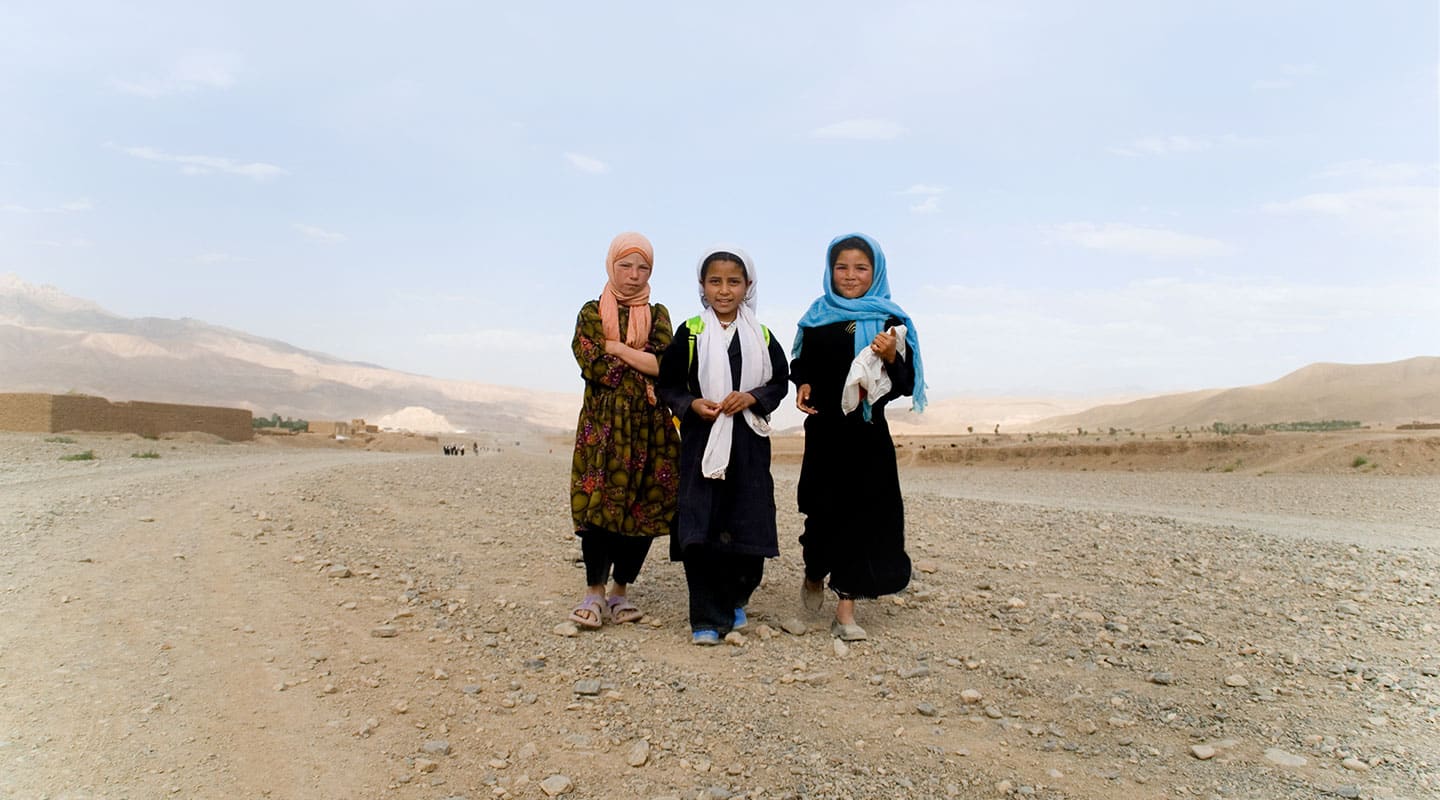
Information is portable, relatively inexpensive and yet one of the most powerful tools known. But in many parts of the world, information is a scarce and inaccessible resource. By providing critical information and education to remote and underserved communities, we help people help themselves.

The Equal Access Mission is to create positive change for millions of underserved people in the developing world by providing critically needed information and education through:
• Locally produced and targeted content;
• The use of appropriate and cost-effective technology; and
• Effective partnerships and community engagement.

THE CHALLENGE
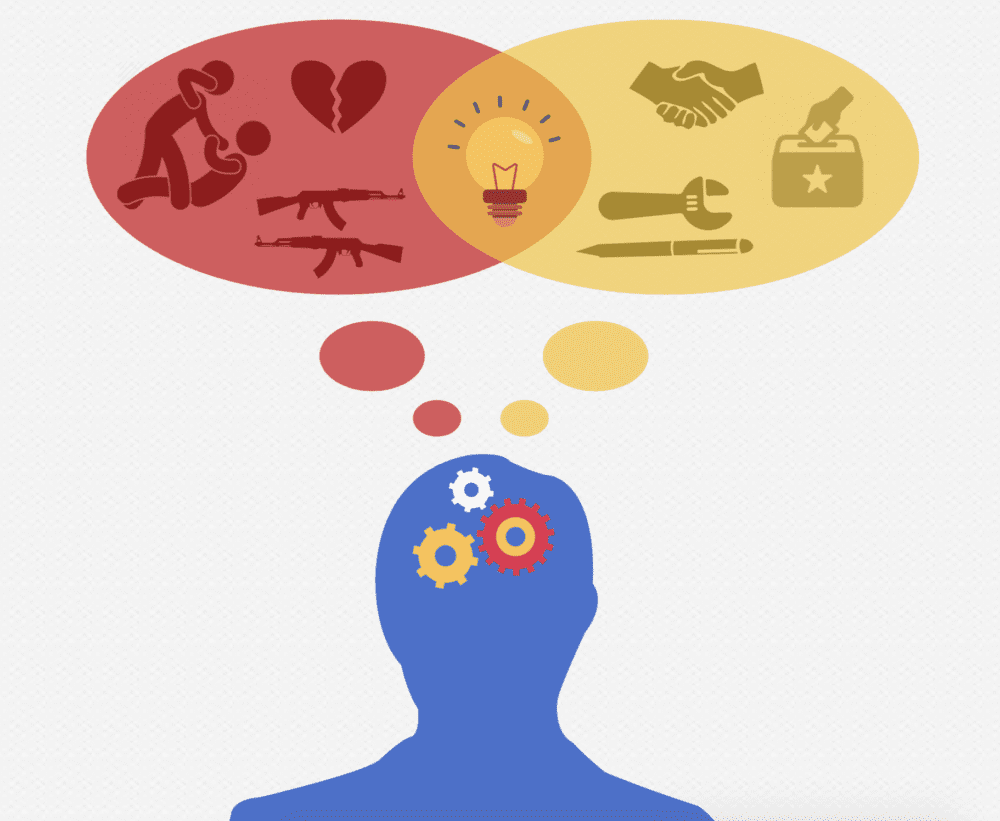
Throughout the developing world, many individuals - especially in rural communities - do not perceive violence or a lack of access to education, information and social services as a violation of their basic rights. Without this perception of injustice, the few development efforts that reach rural areas struggle to empower these underprivileged, semi-literate communities. While most commercial media reinforces the status quo, community-oriented media has the power to portray positive role models and local solutions that inspire emulation and positive change in audiences.

OUR SOLUTION

Locally Produced Content
Equal Access develops innovative needs-driven programming that is culturally appropriate and incorporates feedback directly from audiences. By designing and producing compelling local language programs in-country, we catalyze behavior change in target audiences. Working with local partners to create customized communications strategies and outreach solutions, we determine the most effective program formats, including many of the sample program styles described on the Programs page.

Community Engagement
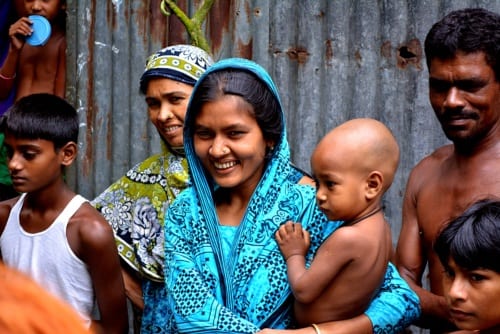
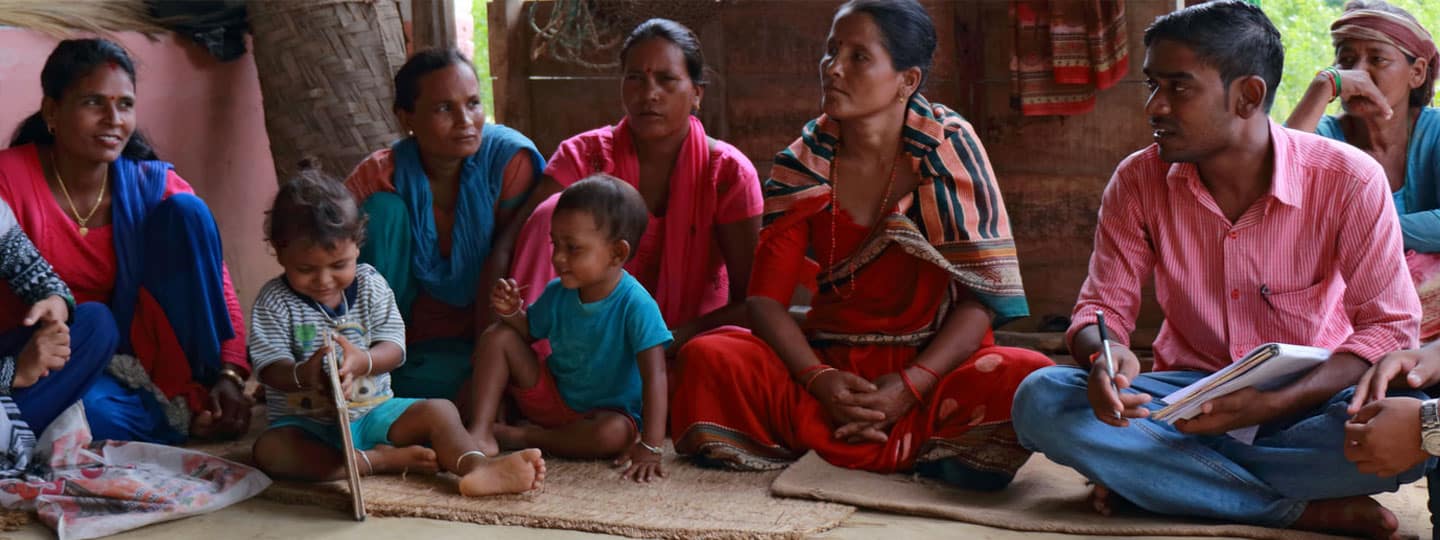
Social and economic development is not possible without the meaningful and sustained involvement of the people who are most affected. By engaging local stakeholders through content advisory groups and "voices from the field," our innovative programming effectively addresses community-expressed needs. To maximize impact, we train local leaders to facilitate listening and discussion groups in their communities, supporting them to mobilize positive change based on the powerful role models and new information provided by our programs. Our outreach partners are well-established, community-based organizations that have experience in issues of local concern and demonstrate proven track records of providing real services. At every step the interactive feedback loop between community needs and responsive programming is maintained.

Appropriate Technology
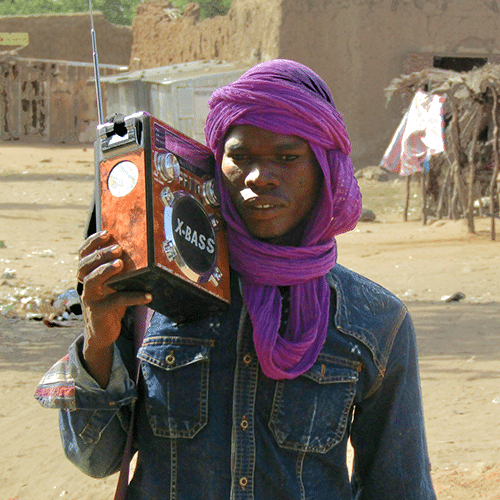
Equal Access' technology solutions take advantage of the rich oral histories of the developing world and overcome low literacy rates. According to local needs and infrastructure, we employ a combination of satellite, FM/AM radio, multimedia and solar technologies to provide access to information and education. The satellite radio receivers we distribute to communities have speakers enabling over 60 people to listen together. Broadcasts can be recorded onto built-in audio cassettes so that listeners can replay programs at convenient times and locations, dramatically expanding program reach. In order to address the lack of sufficient energy resources, Equal Access distributes car batteries and solar panels to fuel satellite receivers in remote listening communities.

Satellite: Reaching the Last Mile
Our technology applications are designed to effectively reach the vast majority of people living in the developing world-people who lack regular or reliable access to telephone service, the internet and often FM radio. Digital satellite Satellite: Reaching the Last Mile radio receivers deliver programming directly to community sites, where organized listening groups discuss program content following the broadcasts. Satellite technology provides a crystal clear signal across a huge geographic area, enabling equal service in urban and rural areas and unique cross-border programming. When local FM/AM stations are connected to the satellite radio network, FM/AM listeners anywhere can also listen to our radio programs. Community radio receivers may be connected to computers for web browser-like content reception and display, direct from the satellite without requiring telephone lines or satellite dishes.

For details, see: Methodology, Technology, Programs

Equal Access addresses a broad range of development issues, such as basic education, teacher training, women's empowerment, human rights, HIV/AIDS prevention, health education, governance, livelihoods training and landmine awareness.


What's New at Equal Access
Check out Equal Access' latest activities here


Watch our introductory video
Windows Media | Quicktime


CNN.com Highlights EA’s Chatting Program as Innovative Education

EA Radio Program wins Global Junior Challenge Award


.give the poor a new set of tools to improve their own lives. These are not pipe dreams. The new vehicles are already here - and I think the Equal Access Initiative represents one of the best models yet available. It is a bold venture, well adapted 
to current constraints such 
as the lack of existing connectivity and the paucity of really useful and practical information for poor and isolated communities. And 
it uses innovative public/ private partnerships to use existing technology to help plug the gaps.

Mark Malloch Brown
Administrator
United Nations Development Program (UNDP)